Where to stay in the Douro: Pinhão, Régua or Alijó?
Lists of “best Douro hotels” are easy to find. What they rarely say is that the choice of town changes your trip more than the choice of hotel. Here is how we would choose, as people who live in Alijó and drive these roads every day.
Pinhão: in the middle of everything
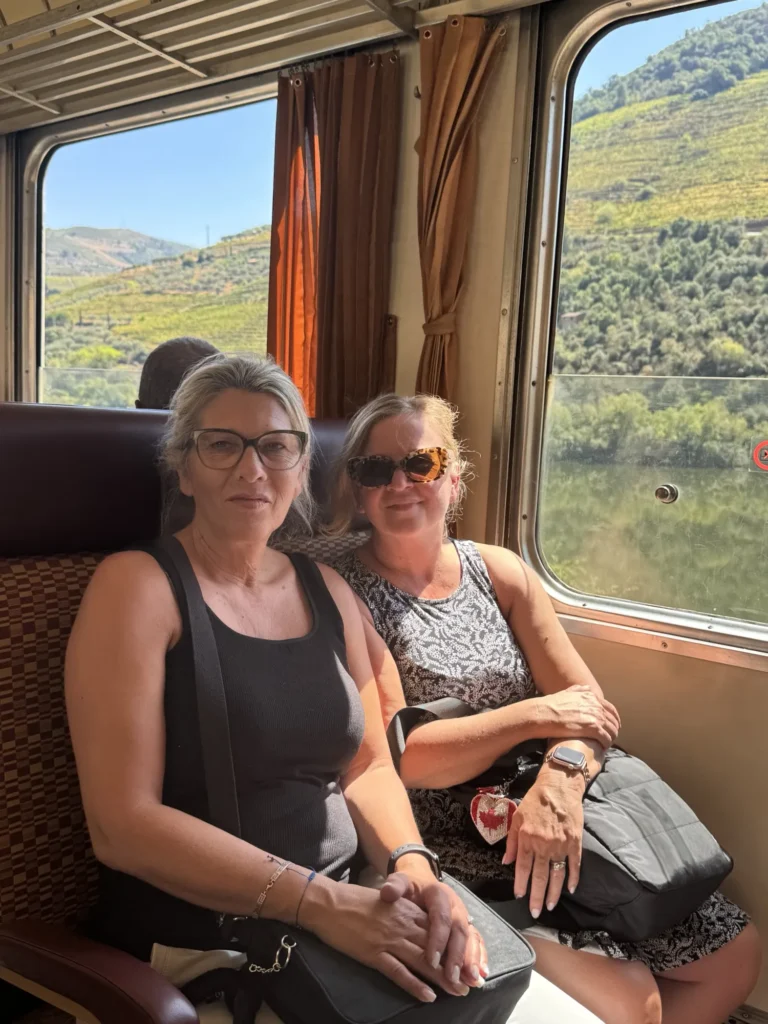
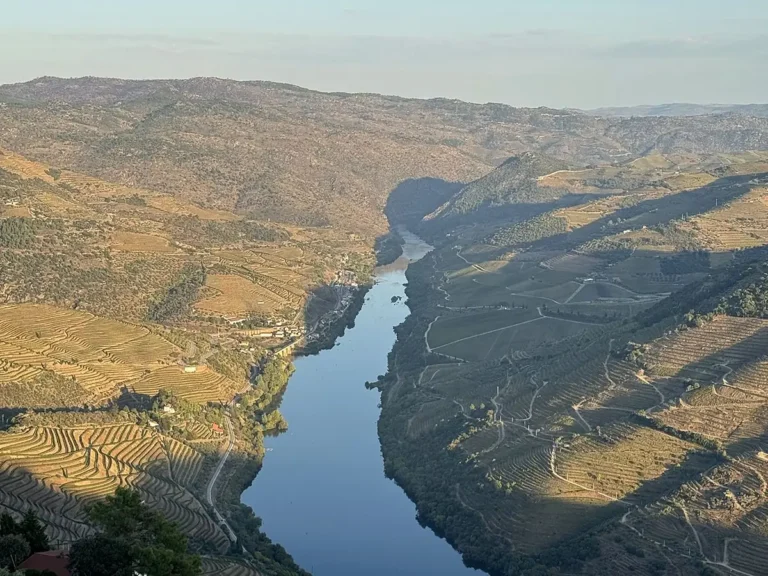
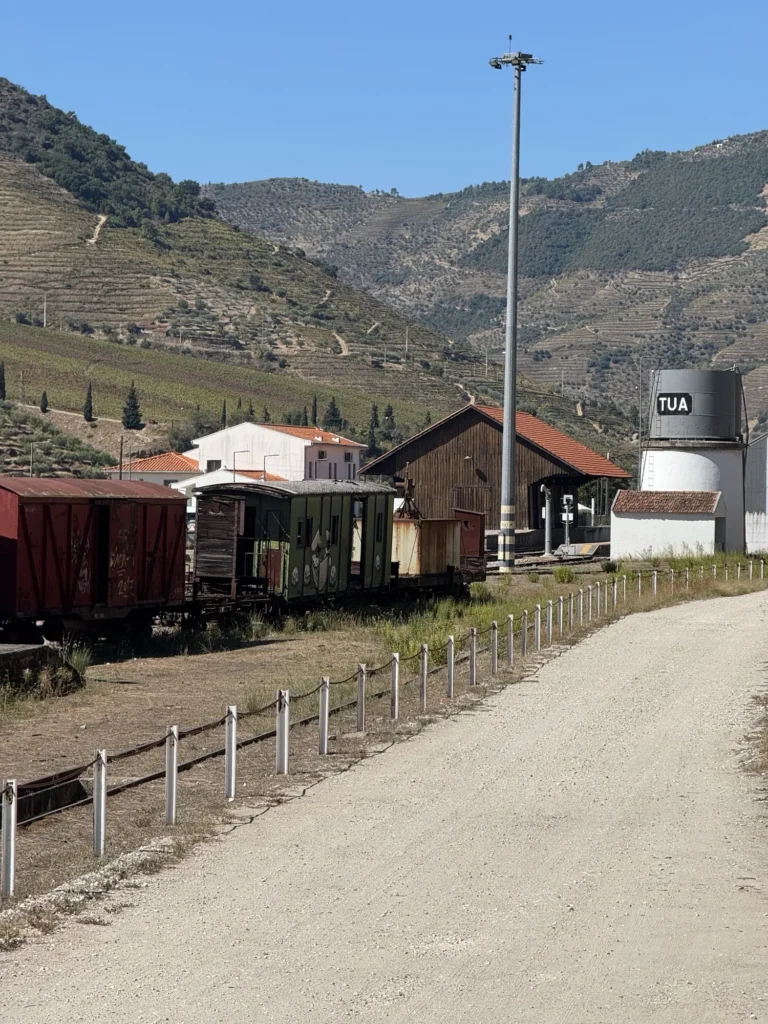
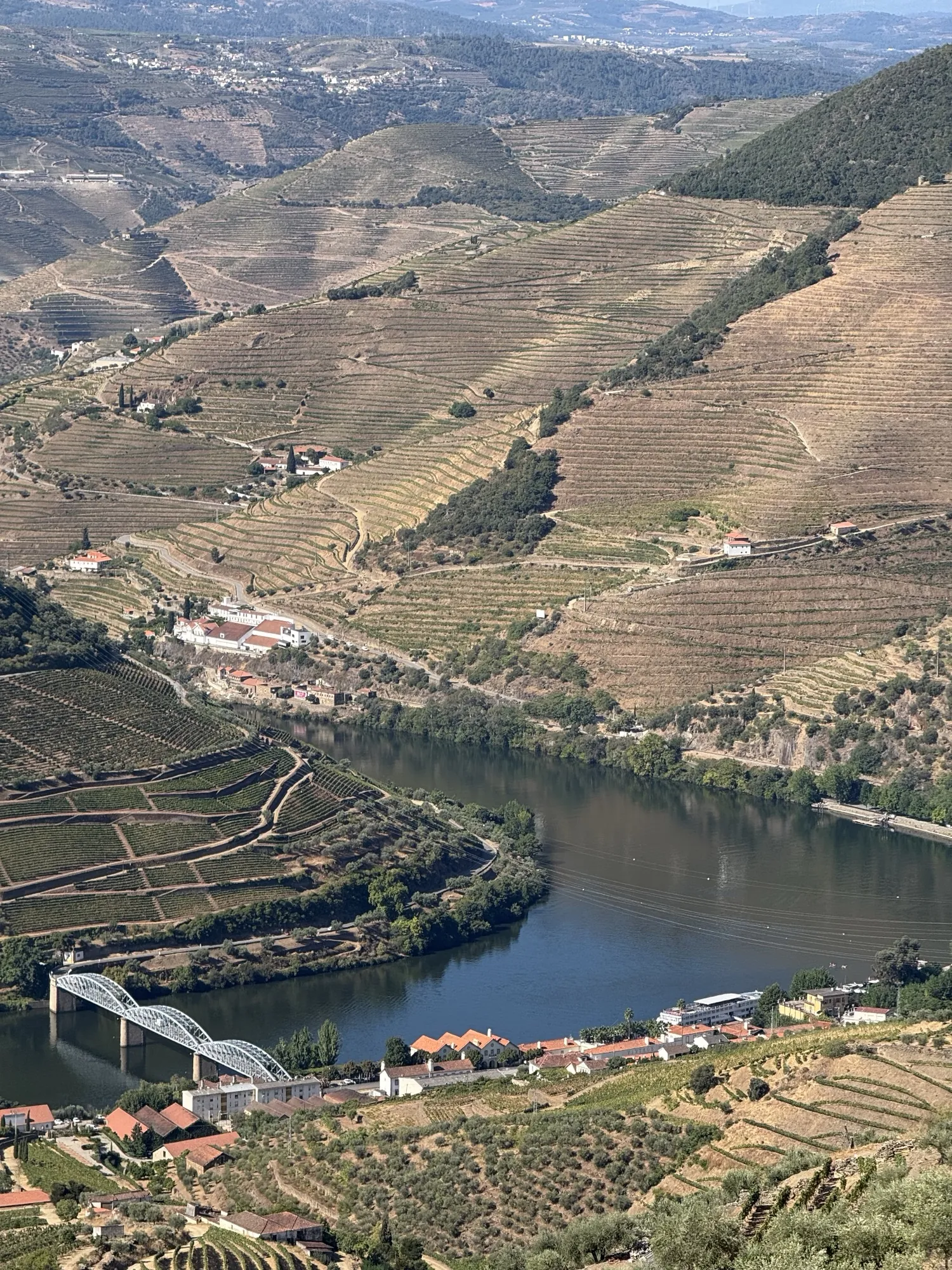
A small riverside town with a train station, a bridge and quintas on every slope around it. If you don’t have a car, this is the easiest base: the train stops here, boats leave from here, and several wineries are close enough to reach by taxi or on foot.
- Good for: first visits, no car, river views.
- Keep in mind: it is small, choice is limited and it fills up early in summer and harvest. It is also the hottest spot in July and August.
Peso da Régua: the practical town
Bigger, with more restaurants, shops, a pharmacy and more trains. It sits at the western end of the most visited stretch, so you will drive or take the train east to reach the classic Pinhão views. The Douro Museum here is worth an hour if the weather turns.
- Good for: longer stays, families, people who like a town with options.
- Keep in mind: it is less scenic than Pinhão, and you’ll spend more time in the car or on the train.
Staying in Régua and coming on one of our days? We pick you up at your hotel, it is included.
Alijó and the villages above the river
This is where we live, so we are biased. Alijó sits on the plateau above Pinhão, about 25 to 30 minutes by car. It is a working town, not a tourist one: cafés where locals have breakfast, a market, and restaurants that cook for people from here.
- Good for: people with a car, longer stays, anyone who wants to see how the Douro lives outside the tasting rooms. Evenings are cooler than down by the river in summer.
- Keep in mind: you need a car or a driver. There is no river at your door.
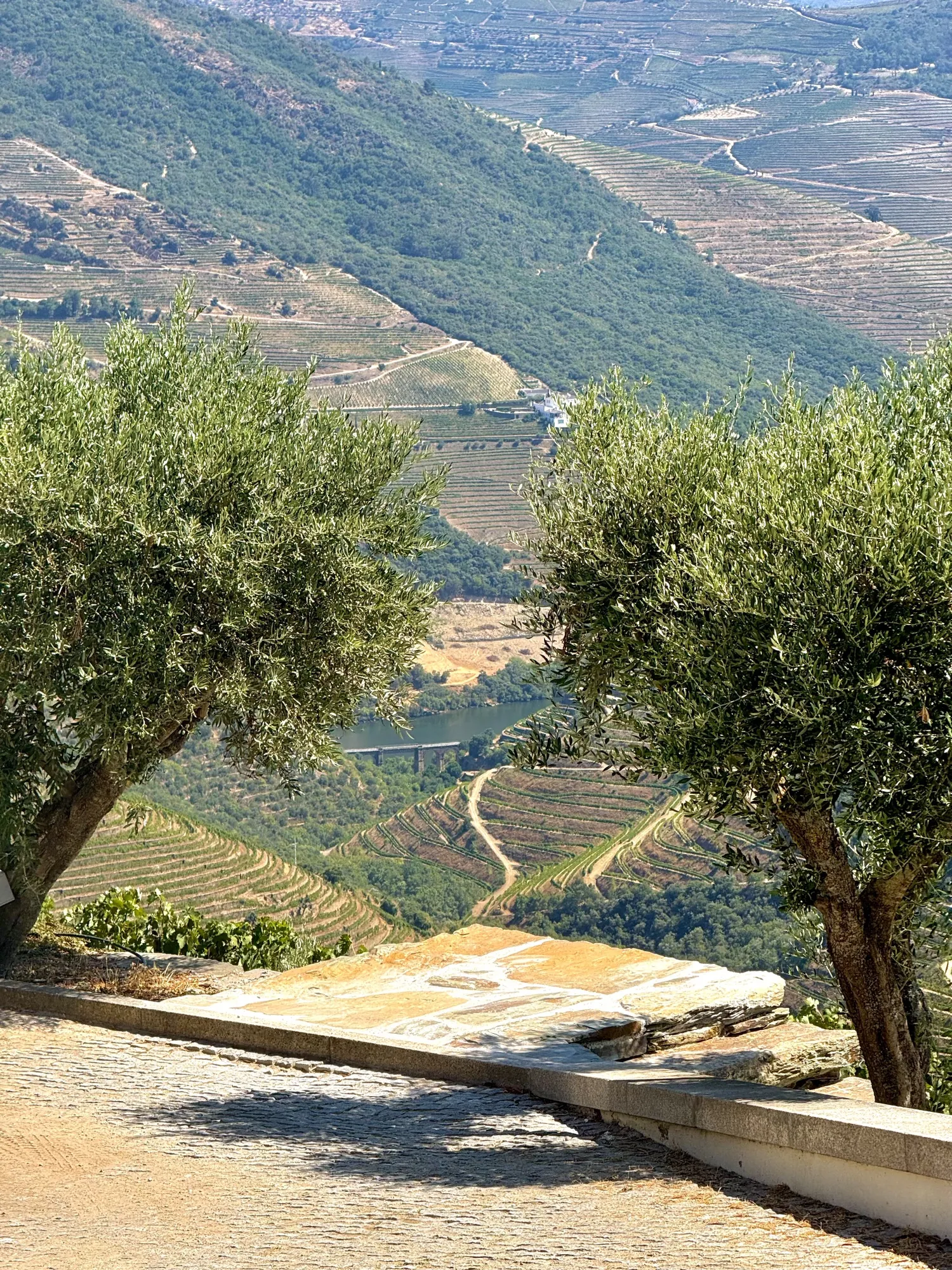
Villages like Favaios, known for its moscatel and its bread, and Casal de Loivos, home to one of the best-known viewpoints over Pinhão, are close by.
Staying at a quinta
Many wine estates rent rooms, from simple to very expensive. It is a lovely experience, but check two things before you book: how far it is from the nearest town (some are 20 minutes down a dirt road), and whether they serve dinner. Without a car, a remote quinta can feel very remote by the second evening.
Where we would eat
A few places we send our own guests to, and why:
Calça Curta, Foz do Tua
Order the bacalhau à lagareiro: roasted salt cod with potatoes, garlic and plenty of olive oil. The terrace looks over the river, so go for lunch when you can see it.
O Barão, Alijó
Gonçalo used to work here, so we know the kitchen and the service from the inside. Classic Portuguese cooking, done well. It is where lunch happens on our Signature day.
Villa Platanus, Alijó
David, our partner, opened this wine bar to show our culture through food: small Portuguese plates to share, a bit like tapas, with Douro wines by the glass. It is where lunch happens on our Classic day.
If we had to choose for you
- First time, no car, one or two nights: Pinhão.
- Three nights or more, with a car: Alijó or a quinta nearby.
- Travelling with kids or want more choice: Régua.
Wherever you stay within 25 km of Pinhão and Alijó, pickup is included: Pinhão, Alijó, Régua, Vila Real and the villages around them. Coming by train? We meet you at Tua station. Check the pickup map. Ask us if you are not sure where you fit.