Port wine styles explained, the way we explain them at the table
Most people arrive at a Port tasting knowing two words: ruby and tawny. By the end they usually have a favourite, and it is rarely the one they expected. This is the short version of what we explain at Quinta da Levandeira.
First, what makes Port “Port”
Port is a fortified wine from the Douro. Fermentation is stopped early by adding grape spirit, which keeps natural sugar from the grapes and raises the alcohol to between 19 and 22% (a little lower for some basic styles). Everything else, colour, style and price, comes from the grapes and above all from how long the wine ages, and in what.
The two families: bottle and wood
Think of Port in two big families. Ruby-style Ports age mostly in large vats or in the bottle, with little contact with air, so they stay deep red and fruity. Tawny-style Ports age in small old casks, slowly meeting air, so they turn amber and taste of dried fruit, nuts and caramel.
Ruby
Young, red, full of berry fruit. The everyday Port. Good with chocolate and strong cheese.
LBV (Late Bottled Vintage)
Wine from a single year, aged four to six years before bottling. More depth than a basic ruby, at a fair price. We pour an LBV at Levandeira because it shows how much a few extra years change a wine.
Vintage
Only from the best years, which each house “declares”. It ages briefly in wood, then for decades in the bottle. Young, it is powerful. With twenty years or more, it is something else. It needs decanting and is best drunk within a day or two of opening.
Tawny with an age: 10, 20, 30, 40 years
A blend of wines aged in casks, and the number shows the average character, not an exact age. A 10-year-old is bright and nutty. A 20-year-old is richer. 30 and 40 get very concentrated, almost like a liqueur. Serve slightly cool. Once open, a bottle keeps for three or four weeks.
Colheita
A tawny from a single harvest year, aged in wood for at least seven years. The bottle shows the vintage and the bottling date.
White and rosé
White Port goes from dry to sweet. Locally it is often drunk cold or as a Port tonic: white Port, tonic water, ice, a slice of orange or a sprig of mint. That is what we serve on the private boat on our Signature day. Rosé Port is lighter and best very cold.

Simple rules for serving
- White: well chilled, 6–10°C.
- Tawny: slightly cool, 10–14°C.
- Ruby, LBV and Vintage: a little below room temperature, 12–16°C.
- Use a normal wine glass, not a tiny one. The aroma is half the pleasure.
Want to taste the difference?
Reading about Port only gets you so far. Tasting a white, a 10-year-old tawny and an LBV side by side, with someone to explain what you are noticing, is the quickest way to know what you like.
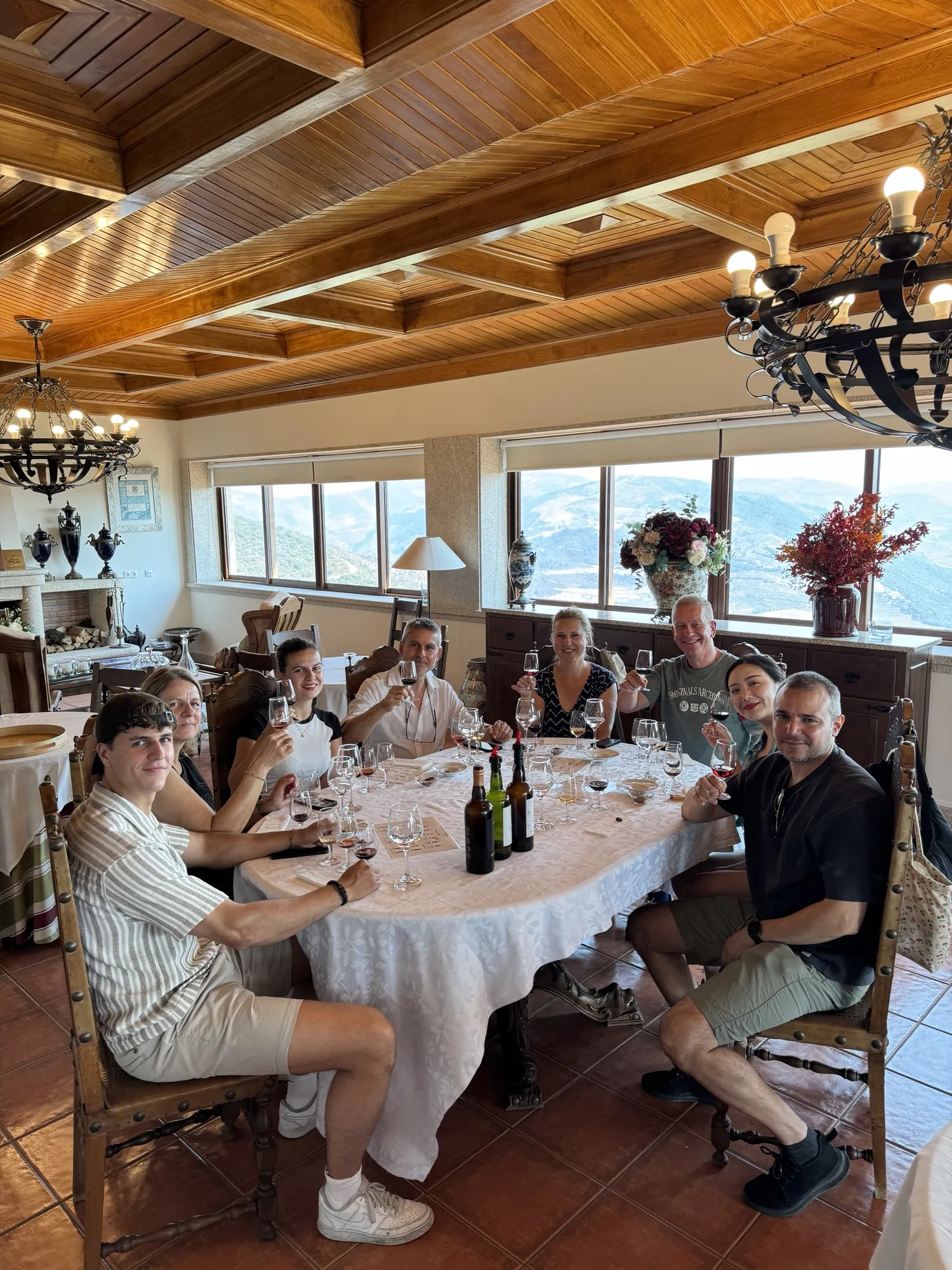
Our Port tasting at Quinta da Levandeira does exactly that: three Ports, 1h30, hosted by us. On the Signature day we pour 20 and 30-year-old Ports.